
Key points
- Diagnosis comes first: study results are mixed; some people improve and some do not 4,9. The real source of pain has to be found on ultrasound first; only then can we tell whether one of these fits, and which one. All of them are still emerging, developing treatments.
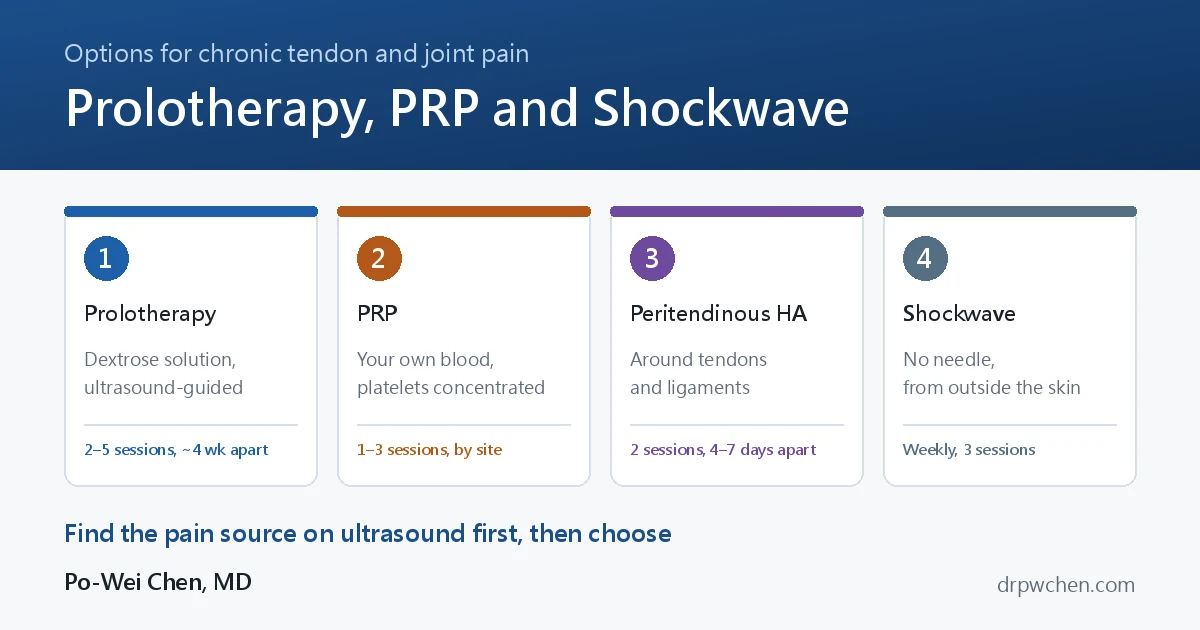
- Four treatments: dextrose prolotherapy, PRP and peritendinous hyaluronic acid are ultrasound-guided injections; shockwave needs no needle.
- Not fixed on the spot: the first few days are more sore, and the following weeks to months are the repair phase.
- These treatments are not currently covered by Taiwan’s National Health Insurance; at the visit, the doctor will first explain the cost and the other treatments you could choose.
Diagnose first, then decide on treatment
- History and physical examination
- Ultrasound to find which tendon, ligament or nerve is the problem
- X-ray or nerve studies when needed
- Compare the options with you: exercise, rehabilitation, medication, injections, shockwave
- Decide on treatment: sign the self-pay consent form; after treatment you are taught home exercises and a follow-up visit is booked
For De Quervain’s tenosynovitis, trigger finger, low back pain and similar problems, there is less research or the results are mixed 9; the doctor will explain case by case.
The four treatments at a glance
| Dextrose prolotherapy | PRP | Peritendinous hyaluronic acid | Extracorporeal shockwave | |
|---|---|---|---|---|
| What it is | Dextrose solution | Platelet-rich plasma concentrated from your own blood | Hyaluronic acid | Shockwaves delivered from outside the skin |
| Where | Tendons, ligaments, joints, around nerves | Tendons, fascia, joints | Around tendons and ligaments | On the skin over the painful area |
| Best-studied problems | Knee osteoarthritis, tennis elbow, rotator cuff, hand numbness | Tennis elbow, plantar fasciitis | Acute ankle sprain, tennis elbow | Plantar fasciitis, calcific tendinitis |
| Usual sessions | 2–5, about 4 weeks apart | 1–3, depending on the site | 2, 4 days to 1 week apart | Once a week, 3 in total |
The numbers of sessions are common practice; the actual plan is adjusted to your situation.
Each treatment in detail
Dextrose prolotherapy
- What it is: dextrose solution injected into the problem tissue, setting off a brief, local repair response 22. It contains no steroid.
- Who it is for: knee osteoarthritis 1–3, tennis elbow 5, rotator cuff tendinopathy 6; injected around the nerve, it is used for carpal tunnel syndrome (hand numbness) 7,8.
- How it is done: ultrasound-guided injection. Tendons and ligaments get about 10–25%; around a nerve, 5% is used to push the nerve away from the tissue it is stuck to.
- Sessions and spacing: my usual practice is 2–5 sessions, about 4 weeks apart.
- What happens afterwards: more soreness for the first few days; most studies only see a difference weeks to months later 1,2,5,7.
PRP (platelet-rich plasma)
- What it is: your own blood is drawn, concentrated in a centrifuge and injected back into the problem area. Platelets release growth factors that take part in repair 25. Unlike dextrose, which triggers the body’s own response, PRP brings concentrated growth factors straight to the problem area.
- Who it is for: chronic tendinopathy (for example tennis elbow) 10, plantar fasciitis 27.
- How it is done: assessment → blood draw → centrifuge → ultrasound-guided injection back into the problem area. After the assessment it can be done the same day or booked for another time.
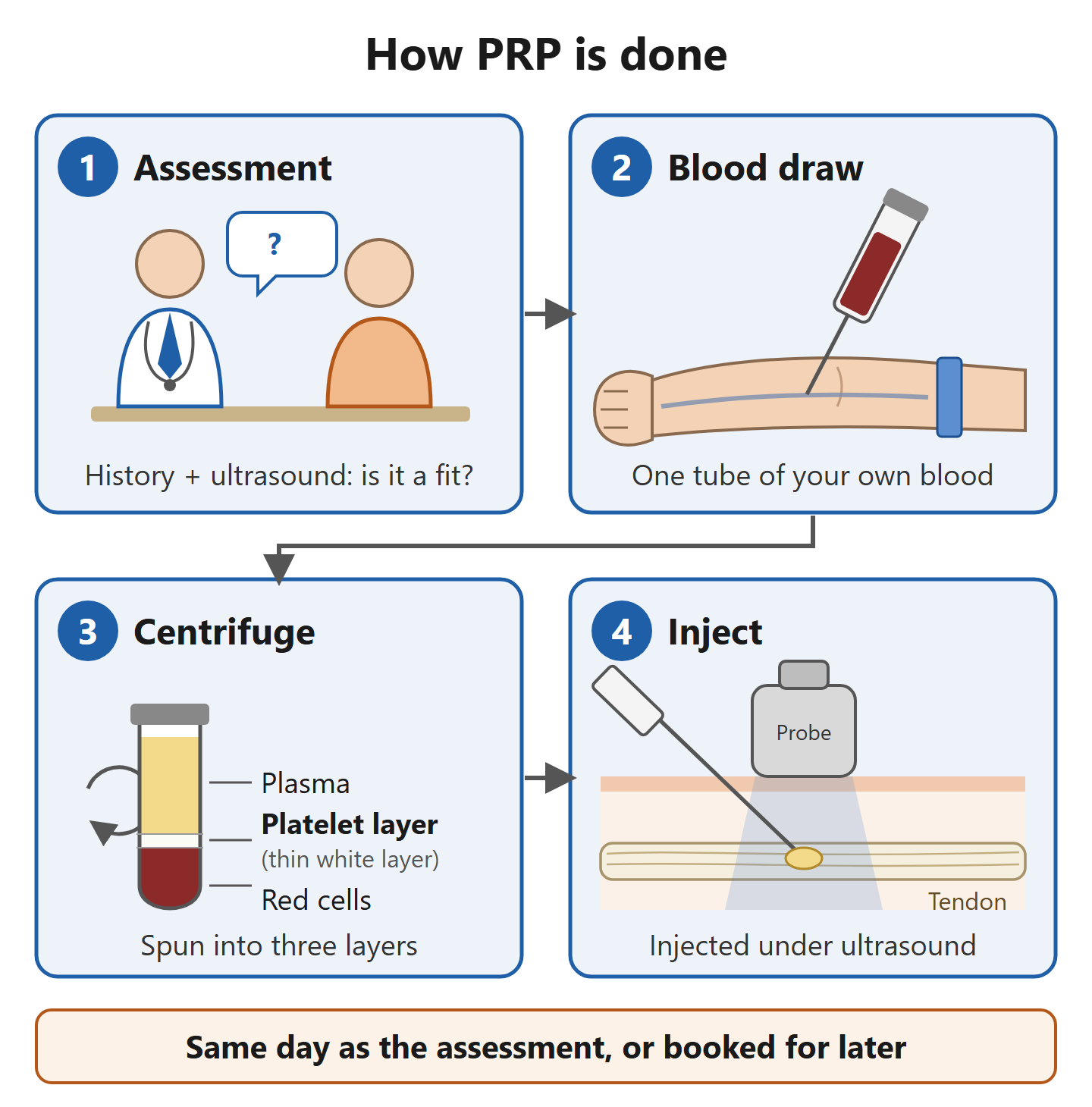
Figure 1. How PRP is done: assessment, blood draw, centrifuging into layers, injection back into the problem area
- Sessions and spacing (common practice):
- What happens afterwards: soreness and swelling at the injection site for the first few days, more often than with other injections 11,31. The tennis elbow study only saw a difference at 24 weeks 10.
Peritendinous hyaluronic acid
- What it is: hyaluronic acid injected into the soft tissue around a tendon or ligament, which is different from the conventional hyaluronic acid injected into the knee joint.
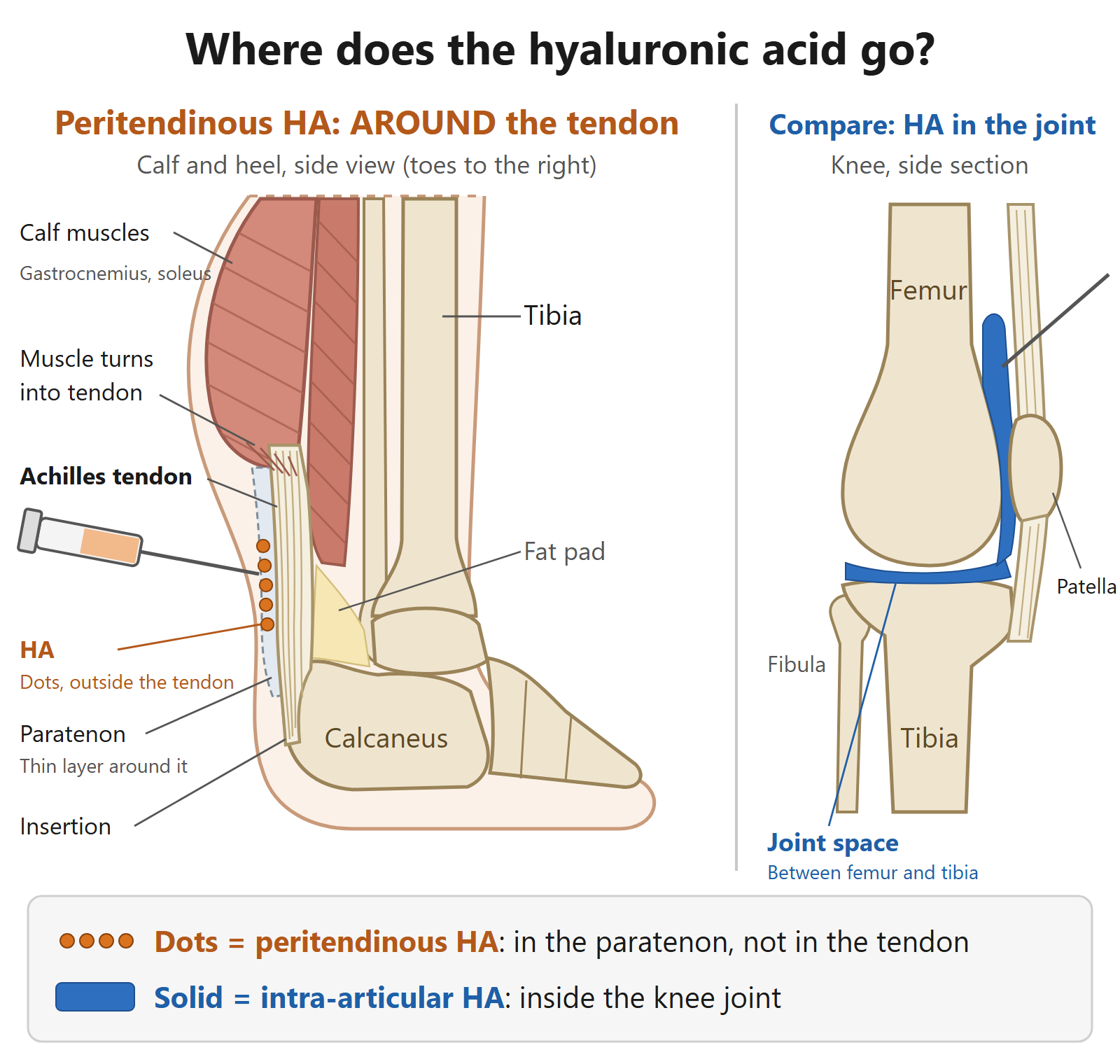
Figure 2. Peritendinous hyaluronic acid goes AROUND the tendon (left, using the Achilles tendon as the example), a different place from conventional hyaluronic acid injected into the knee joint (right)
- Who it is for: a freshly sprained ankle (early after the injury) 12,13, tennis elbow 14.
- How it is done: ultrasound-guided, around the tendon or ligament near the painful spot.
- Sessions and spacing: 2 injections in the studies: for ankle sprain, one within 48 hours of the injury and one on day 4 12; for tennis elbow, one week apart 14. If it still hurts after the acute phase, the doctor may suggest switching to or adding another injection (for example PRP).
- What happens afterwards: in the ankle sprain study, pain was lower by day 8 12; results vary widely between studies 15.
Extracorporeal shockwave
- What it is: no needle; shockwaves are delivered from outside the skin to the painful area.
- Who it is for: plantar fasciitis, calcific tendinitis of the shoulder and others 16,18; for tennis elbow, results are about the same as sham treatment 20.
- How it is done: in the clinic, with the treatment head placed on the skin over the painful area.
- Sessions and spacing: my usual practice is once a week, 3 sessions in total.
- What happens afterwards: the area may hurt or redden during treatment and for a few days after. Results differ by condition 16–20.
Why might an injection help?
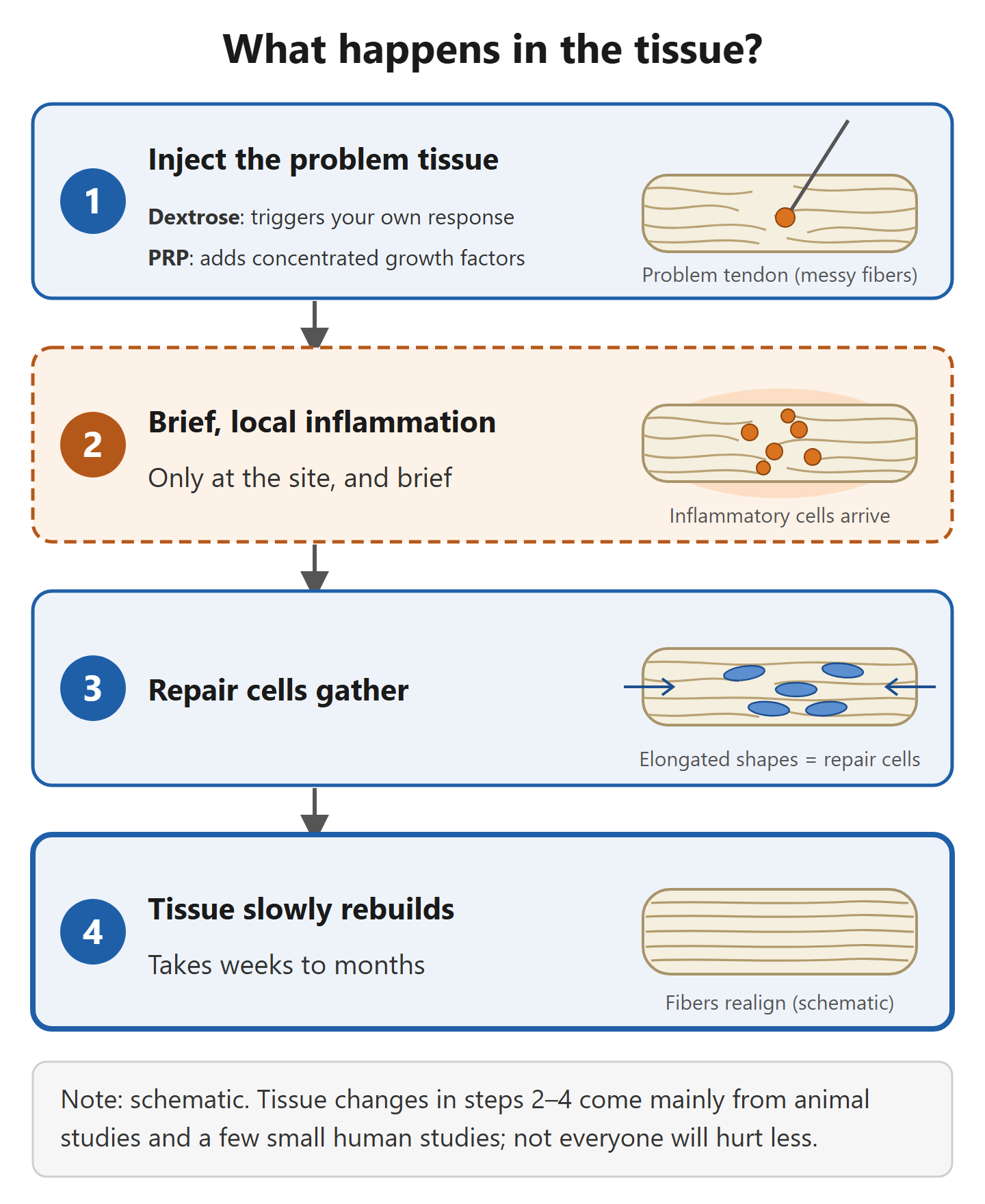
Figure 3. What happens in the tissue after the injection (schematic)
- Dextrose: the exact mechanism is still being studied. Animal studies saw brief inflammation after injection and thicker ligaments, but no change in strength 21,22; in 6 patients with severe knee osteoarthritis, some cartilage regrowth was seen after 4–6 injections, but the group was small and there was no control group 23.
- PRP: growth factors released by platelets take part in every stage of repair 25; in animals, injecting platelet concentrate after a tendon rupture made the healing tendon about 30% stronger 24.
Tissue changes seen in animals and small studies do not mean everyone will hurt less.
After the injection
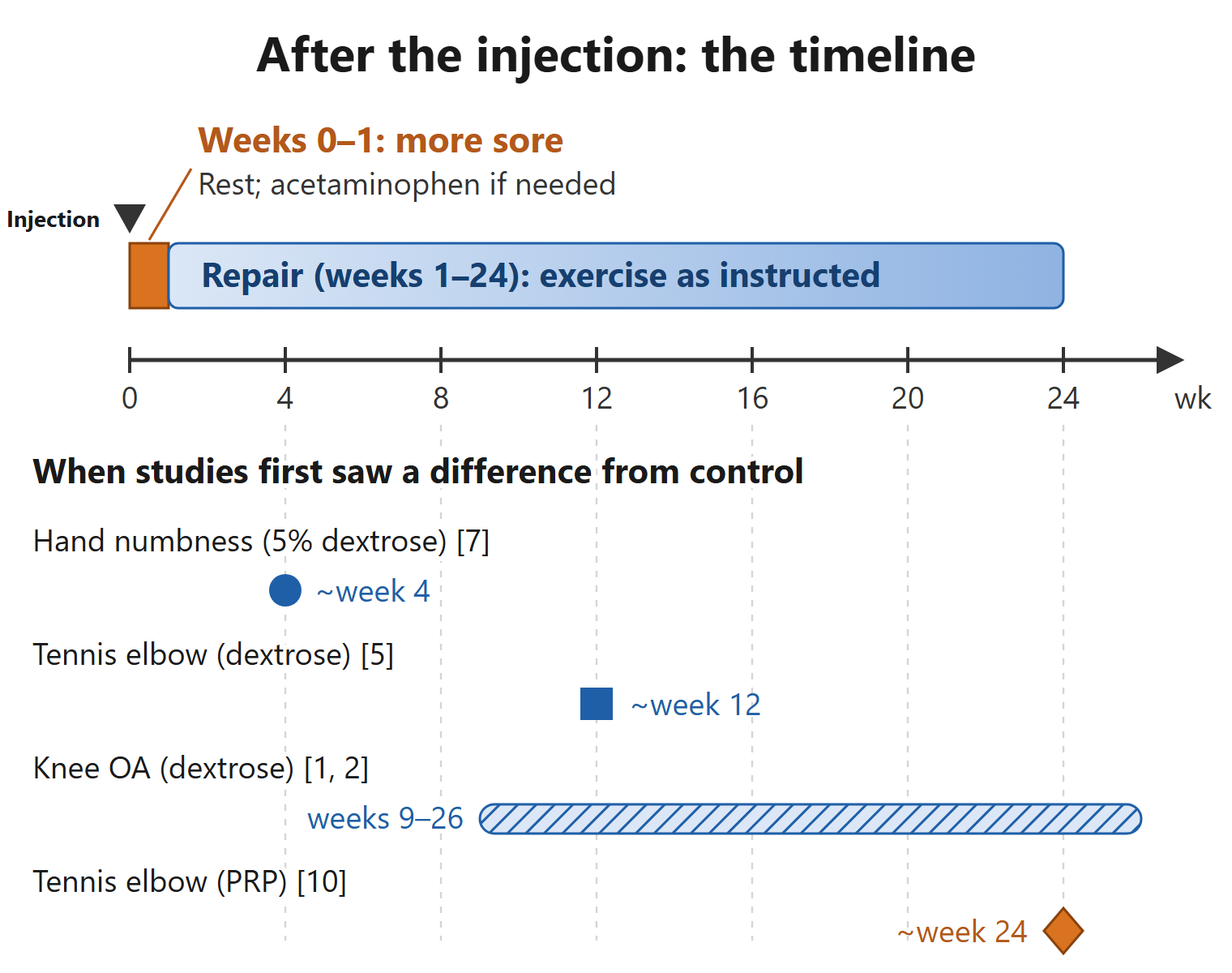
Figure 4. The timeline after the injection, and when studies first saw a difference
- The first few days: the injection site will be sorer and may swell; this is an expected reaction 1,11. In my experience it is usually worst within 3–5 days. Rest the treated area for those days; the study protocol was relative rest for 2–3 days, then a gradual return to normal activity within a month 1.
- Pain relief: take acetaminophen (paracetamol) if needed. In laboratory studies, anti-inflammatory painkillers (for example ibuprofen) may reduce the growth factors released by platelets 32, and their real effect on healing is still uncertain 34, so do not take them on your own after the injection; ask the doctor first if you need them. Do not stop medicines you take long-term (including aspirin) on your own; tell the doctor first.
- The following weeks to months: this is when the tissue repairs and the effect slowly appears; exercise as instructed by your doctor or physical therapist.
- Uncommon: bruising. As with any injection, infection, bleeding or irritation of a nerve is possible in very rare cases.
- Fever, redness, heat, swelling or pain at the injection site that keeps getting worse, or weakness or numbness in the arm or leg that is getting worse: come back to the clinic or go to the emergency department promptly.
Tell the doctor first if
- There is a wound or infection at the injection site, or you have a fever
- You take anticoagulant or antiplatelet medicines, or have a bleeding disorder
- You have poorly controlled diabetes
- You are allergic to any medicine (including local anesthetics)
- PRP: blood disorders such as a low platelet count, or cancer under active treatment
- Shockwave: pregnancy, a tumor near the treatment area, or a pacemaker
- A complete tendon or ligament rupture, or a fracture: these usually need to be dealt with first and are not suited to going straight to injection
Cost
Prolotherapy, PRP, peritendinous hyaluronic acid and shockwave are not currently covered by Taiwan’s National Health Insurance; at the visit, the doctor will first explain the cost and the other treatments you could choose.
Clinic
I see patients at the Department of Physical Medicine and Rehabilitation, Hualien Tzu Chi Hospital. My focus is musculoskeletal ultrasound and ultrasound-guided injection, and I am a member of the Taiwan Association of Prolotherapy and the Taiwan Society of Neuromusculoskeletal Ultrasound.
Clinic hours and online booking links for each hospital are on the clinic page (in Chinese); the hospitals’ online booking systems have the final word on times.
Frequently asked questions
Q: How is this different from a steroid injection? A: A steroid suppresses inflammation and usually relieves pain faster, but in some situations repeated injections are not advisable. Prolotherapy works more slowly and takes several sessions. The doctor will advise based on the diagnosis.
Q: Does it hurt? Can I go to work afterwards? A: The injection stings and feels sore and full; most people can tolerate it. Most people can go to work afterwards; avoid putting force through the treated area for the first few days.
Q: Can I have it if I have diabetes? A: The amount used is very small, but it may not be suitable if your blood sugar is poorly controlled; please tell the doctor first.
Further reading
- Plantar fasciitis: where insoles, night splints, shockwave and injections each fit
- Rotator cuff tear and calcification: calcific tendinitis and rotator cuff tendinopathy of the shoulder
- Osteoarthritis: the overall treatment of knee osteoarthritis
- De Quervain’s tenosynovitis, trigger finger: two common problems with less research that need individual assessment
References and study summary
Study summary
| Question | What the studies found |
|---|---|
| Knee osteoarthritis × dextrose | Randomized trials: pain and function improved more than with saline 1,2, with differences from week 9 1 or week 26 2; meta-analysis points the same way, but study quality varies widely 3. The 2019 American College of Rheumatology guideline “conditionally recommends against” it 4. |
| Tennis elbow × dextrose | Meta-analysis: better than other non-surgical treatments at 12 weeks 5. |
| Tennis elbow × PRP | Multicenter trial (1 injection): no difference at 12 weeks, better than control at 24 weeks 10. |
| Knee osteoarthritis × PRP | Large randomized trial (once a week, 3 in total): no difference from saline at 12 months 11; guideline recommends against it 4. |
| PRP number of injections and spacing | Of 33 randomized trials in tendinopathy, 20 gave 1 injection and 13 gave several 31; another meta-analysis supports a single ultrasound-guided injection 36. Knee osteoarthritis: in one meta-analysis, 3 injections (mostly 1 week apart) worked better than 1 30, while another showed improvement with either 1 or several 35; a German expert consensus holds that 2–4 injections are better for chronic problems, but there is not enough data on spacing 29. |
| Rotator cuff tendinopathy × dextrose | Combined with physical therapy, a higher proportion had less pain at 9 months 6. |
| Carpal tunnel syndrome × 5% dextrose | Double-blind trial: better than saline from month 1, lasting to 6 months 7; better than steroid at 4–6 months 8. |
| Low back pain × dextrose | Injection alone was no better than control injections 9. |
| Acute ankle sprain × peritendinous hyaluronic acid | One injection within 48 hours of injury and one on day 4: lower pain on day 8 and faster return to sport 12, fewer re-sprains over 24 months 13. |
| Tennis elbow × peritendinous hyaluronic acid | 2 injections 1 week apart: pain improved 14; a systematic review notes wide differences between studies 15. |
| Peritendinous hyaluronic acid + PRP together | Double-blind randomized trial in partial-thickness rotator cuff tears: subacromial injection once a week, 4 in total; the combined group scored better at 12 months than either alone, and the tear shrank more on MRI 33. This is the only such study so far, and it used subacromial bursa injection. |
| Anti-inflammatory painkillers × PRP / healing | Systematic review: 8 of 15 studies found that antiplatelet drugs or anti-inflammatory painkillers reduced PRP growth factors or cell proliferation 32. Review of tissue healing in the knee: animal studies show some anti-inflammatory painkillers may delay soft-tissue healing; clinical studies found no difference 34. |
| Reactions after the injection | Dextrose knee trial: everyone injected had the expected mild-to-moderate post-injection pain; the study supplied acetaminophen and a painkiller for 1 week, advised relative rest for 2–3 days and a gradual return to activity within 1 month, and asked patients to avoid anti-inflammatory painkillers 1. PRP knee trial: knee pain, swelling and stiffness after injection were more common in the PRP group, and were mild and short-lived 11. |
| Plantar fasciitis × shockwave | Better than sham at 12 weeks 16; but when patient education and insoles were already in place, adding shockwave gave no extra benefit 17. |
| Calcific tendinitis × shockwave | Better than sham from 3 months 18; an overall review judged the benefit limited 19. |
| Tennis elbow × shockwave | Review: about the same as sham 20. |
| Mechanism × dextrose (animals) | Rat ligaments: inflammatory cells increased 6–24 hours after injection and subsided by 72 hours, but differences from saline or needling alone were inconsistent 22; ligament cross-sectional area was about 30% larger than with saline, with no change in laxity, strength or collagen fibers 21. |
| Mechanism × dextrose (humans) | 6 patients with grade 4 knee osteoarthritis, after 4–6 injections: on arthroscopy, all three readers judged cartilage growth in 19 of 54 zones; biopsies showed fibrocartilage and hyaline-like cartilage; no control group, level of evidence IV 23. Scoping review: most animal and human studies saw favorable cartilage changes; the mechanism is not fully understood 26. |
| Mechanism × PRP (animals) | Rat Achilles tendon transection model: after injecting platelet concentrate, the healing tendon was about 30% stronger and stiffer at 1 week, lasting to week 3 24. This is an acute rupture model, not the same as chronic tendon pain. |
| Mechanism × PRP (review) | Platelet growth factors support all three stages of repair (inflammation, proliferation, remodeling) 25. |
| PRP compared directly with dextrose | Small randomized trial in plantar fasciitis (2 injections each, 2 weeks apart): the PRP group improved more, but the difference between groups was not statistically significant 27; meta-analysis in knee osteoarthritis: no difference in pain scores at 6 months, stiffness scores better with PRP 28. |
References
- Rabago D, et al. Dextrose prolotherapy for knee osteoarthritis: a randomized controlled trial. Ann Fam Med. 2013;11(3):229-237. doi:10.1370/afm.1504
- Sit RWS, et al. Efficacy of intra-articular hypertonic dextrose (prolotherapy) for knee osteoarthritis: a randomized controlled trial. Ann Fam Med. 2020;18(3):235-242. doi:10.1370/afm.2520
- Chen YW, et al. Effectiveness, compliance, and safety of dextrose prolotherapy for knee osteoarthritis: a meta-analysis and metaregression of randomized controlled trials. Clin Rehabil. 2022;36(6):740-752. doi:10.1177/02692155221086213
- Kolasinski SL, et al. 2019 American College of Rheumatology/Arthritis Foundation guideline for the management of osteoarthritis of the hand, hip, and knee. Arthritis Care Res. 2020;72(2):149-162. doi:10.1002/acr.24131
- Zhu M, et al. Effects of hypertonic dextrose injection (prolotherapy) in lateral elbow tendinosis: a systematic review and meta-analysis. Arch Phys Med Rehabil. 2022;103(11):2209-2218. doi:10.1016/j.apmr.2022.01.166
- Bertrand H, et al. Dextrose prolotherapy versus control injections in painful rotator cuff tendinopathy. Arch Phys Med Rehabil. 2016;97(1):17-25. doi:10.1016/j.apmr.2015.08.412
- Wu YT, et al. Six-month efficacy of perineural dextrose for carpal tunnel syndrome: a prospective, randomized, double-blind, controlled trial. Mayo Clin Proc. 2017;92(8):1179-1189. doi:10.1016/j.mayocp.2017.05.025
- Wu YT, et al. Randomized double-blinded clinical trial of 5% dextrose versus triamcinolone injection for carpal tunnel syndrome patients. Ann Neurol. 2018;84(4):601-610. doi:10.1002/ana.25332
- Dagenais S, et al. Prolotherapy injections for chronic low-back pain. Cochrane Database Syst Rev. 2007;(2):CD004059. doi:10.1002/14651858.CD004059.pub3
- Mishra AK, et al. Efficacy of platelet-rich plasma for chronic tennis elbow: a double-blind, prospective, multicenter, randomized controlled trial of 230 patients. Am J Sports Med. 2014;42(2):463-471. doi:10.1177/0363546513494359
- Bennell KL, et al. Effect of intra-articular platelet-rich plasma vs placebo injection on pain and medial tibial cartilage volume in patients with knee osteoarthritis: the RESTORE randomized clinical trial. JAMA. 2021;326(20):2021-2030. doi:10.1001/jama.2021.19415
- Petrella RJ, et al. Periarticular hyaluronic acid in acute ankle sprain. Clin J Sport Med. 2007;17(4):251-257. doi:10.1097/JSM.0b013e3180f6169f
- Petrella MJ, et al. Long-term efficacy and safety of periarticular hyaluronic acid in acute ankle sprain. Phys Sportsmed. 2009;37(1):64-70. doi:10.3810/psm.2009.04.1684
- Petrella RJ, et al. Management of tennis elbow with sodium hyaluronate periarticular injections. Sports Med Arthrosc Rehabil Ther Technol. 2010;2:4. doi:10.1186/1758-2555-2-4
- Khan M, et al. The role of hyaluronic acid for soft tissue indications: a systematic review and meta-analysis. Sports Health. 2023;15(1):86-96. doi:10.1177/19417381211073316
- Gerdesmeyer L, et al. Radial extracorporeal shock wave therapy is safe and effective in the treatment of chronic recalcitrant plantar fasciitis: results of a confirmatory randomized placebo-controlled multicenter study. Am J Sports Med. 2008;36(11):2100-2109. doi:10.1177/0363546508324176
- Heide M, et al. Is radial extracorporeal shock wave therapy (rESWT), sham-rESWT or a standardised exercise programme in combination with advice plus customised foot orthoses more effective than advice plus customised foot orthoses alone in the treatment of plantar fasciopathy? Br J Sports Med. 2024;58(16):910-918. doi:10.1136/bjsports-2024-108139
- Gerdesmeyer L, et al. Extracorporeal shock wave therapy for the treatment of chronic calcifying tendonitis of the rotator cuff: a randomized controlled trial. JAMA. 2003;290(19):2573-2580. doi:10.1001/jama.290.19.2573
- Surace SJ, et al. Shock wave therapy for rotator cuff disease with or without calcification. Cochrane Database Syst Rev. 2020;3:CD008962. doi:10.1002/14651858.CD008962.pub2
- Buchbinder R, et al. Shock wave therapy for lateral elbow pain. Cochrane Database Syst Rev. 2005;(4):CD003524. doi:10.1002/14651858.CD003524.pub2
- Jensen KT, et al. Response of knee ligaments to prolotherapy in a rat injury model. Am J Sports Med. 2008;36(7):1347-1357. doi:10.1177/0363546508314431
- Jensen KT, et al. Early inflammatory response of knee ligaments to prolotherapy in a rat model. J Orthop Res. 2008;26(6):816-823. doi:10.1002/jor.20600
- Topol GA, et al. Chondrogenic effect of intra-articular hypertonic-dextrose (prolotherapy) in severe knee osteoarthritis. PM R. 2016;8(11):1072-1082. doi:10.1016/j.pmrj.2016.03.008
- Aspenberg P, Virchenko O. Platelet concentrate injection improves Achilles tendon repair in rats. Acta Orthop Scand. 2004;75(1):93-99. doi:10.1080/00016470410001708190
- Everts P, et al. Platelet-rich plasma: new performance understandings and therapeutic considerations in 2020. Int J Mol Sci. 2020;21(20):7794. doi:10.3390/ijms21207794
- Arias-Vazquez PI, et al. Structural and molecular effects of dextrose on cartilage: a scoping review. Curr Rheumatol Rev. 2026;22(2):1-17. doi:10.2174/0115733971386046250611073643
- Kim E, Lee JH. Autologous platelet-rich plasma versus dextrose prolotherapy for the treatment of chronic recalcitrant plantar fasciitis. PM R. 2014;6(2):152-158. doi:10.1016/j.pmrj.2013.07.003
- Wee TC, et al. Dextrose prolotherapy in knee osteoarthritis: a systematic review and meta-analysis. J Clin Orthop Trauma. 2021;19:108-117. doi:10.1016/j.jcot.2021.05.015
- Tischer T, et al. Platelet-rich plasma (PRP) as therapy for cartilage, tendon and muscle damage - German working group position statement. J Exp Orthop. 2020;7(1):64. doi:10.1186/s40634-020-00282-2
- McLarnon M, Heron N. Intra-articular platelet-rich plasma injections versus intra-articular corticosteroid injections for symptomatic management of knee osteoarthritis: systematic review and meta-analysis. BMC Musculoskelet Disord. 2021;22(1):550. doi:10.1186/s12891-021-04308-3
- Masiello F, et al. Ultrasound-guided injection of platelet-rich plasma for tendinopathies: a systematic review and meta-analysis. Blood Transfus. 2023;21(2):119-136. doi:10.2450/2022.0087-22
- Frey C, et al. Effects of antiplatelet and nonsteroidal anti-inflammatory medications on platelet-rich plasma: a systematic review. Orthop J Sports Med. 2020;8(4):2325967120912841. doi:10.1177/2325967120912841
- Cai YU, et al. Sodium hyaluronate and platelet-rich plasma for partial-thickness rotator cuff tears. Med Sci Sports Exerc. 2019;51(2):227-233. doi:10.1249/MSS.0000000000001781
- Solaiman RH, et al. The effect of nonsteroidal anti-inflammatory drug use on soft tissue and bone healing in the knee: a systematic review. Ann Jt. 2024;9:3. doi:10.21037/aoj-23-58
- Kim JH, et al. Are leukocyte-poor or multiple injections of platelet-rich plasma more effective than hyaluronic acid for knee osteoarthritis? A systematic review and meta-analysis of randomized controlled trials. Arch Orthop Trauma Surg. 2023;143(7):3879-3897. doi:10.1007/s00402-022-04637-5
- Fitzpatrick J, et al. The effectiveness of platelet-rich plasma in the treatment of tendinopathy: a meta-analysis of randomized controlled clinical trials. Am J Sports Med. 2017;45(1):226-233. doi:10.1177/0363546516643716
Written by: Po-Wei Chen, MD (Department of Physical Medicine and Rehabilitation, Hualien Tzu Chi Hospital)
Last updated: November 2026