ACSM isn’t very common in Taiwan, but it’s an internationally important certification, so if you study in English, there are a lot of resources! However, because time was limited, around the time I registered for the ACSM, I also signed up for the neurorehabilitation annual meeting, lower limb orthotics, dysphagia, and pediatric muscle spasticity courses (everyone crams these into April and May!). So, I moved forward with the goal of learning as quickly as possible. Here are the resources I used during my prep:
- Course: Dr. Chia-Chih Lin
- Dr. Lin is one of the few legends in Taiwan who holds every sports certification. He’s a professor at National Dong Hwa University and is incredibly knowledgeable.
- The course is three days long. It starts with an introduction to the five major certifications and goes all the way to explaining the entire CPT textbook. It covers most of the material and helps you quickly grasp the key points.
- He has recorded his own YouTube videos on topics like anaerobic threshold measurement and shared them on his website. You can take a listen to get a feel for his teaching speed and style, and also learn more about sports science.
- He creates a Facebook group where you can ask any questions you have during your prep. You can even discuss topics with him that go beyond the scope of the textbook.
- Books
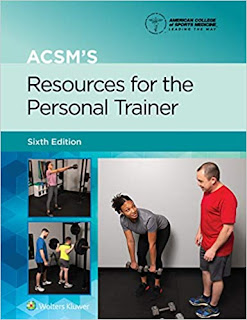
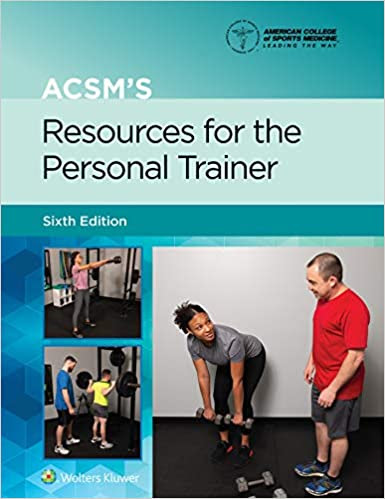
- ACSM’s Resources for the Personal Trainer: This is where the exam questions come from. It’s the main textbook and the primary source for the course content. If you take the class, you can buy this book at a discounted price, which is cheaper than anywhere online. If you want to read it before class, you can borrow it from the library first. But I’d recommend just flipping through Dr. Lin’s handouts before class—that’s enough to quickly grasp the material.
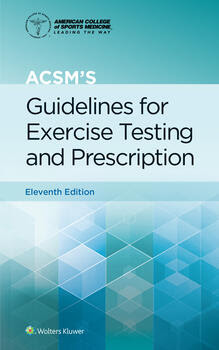
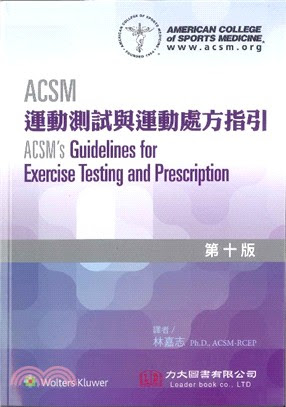
- ACSM’s GETP: This one is like a reference book. It covers content beyond the scope of the CPT exam. It’s currently on its 11th edition, while the Chinese version was translated by Dr. Lin up to the 10th edition. The content is very solid and evidence-based; it’s a quite practical book. In the later stages of my prep, I actually spent most of my time reading this one, though it might be a bit beyond the exam scope. If you sign up for Dr. Lin’s course, the Chinese version is included for a price similar to retail. If you want to read it beforehand, you can buy it online. If you want the latest version, I recommend buying the English 11th edition on Amazon. Get some friends together to hit the $60 mark for free shipping—it’s much cheaper than buying it in Taiwan!
- Dr. Lin’s course handouts: They extract the key points from the original textbook. Before class, I flipped through the whole thing and picked out the parts I had questions about, which made learning in class much smoother. Also, from what previous test-takers have shared, flipping through this three or four times before the exam is very helpful. I organized everything into my own notes, so I didn’t end up doing that.
- Practice Questions
- ACSM’s Certification Review: The official exam review book. It includes several case studies and 100 practice questions. Dr. Lin’s course actually includes the practice questions from the back, so its main use is for those case studies. The flexibility of the case studies is very close to the actual exam questions. I highly recommend finishing them all, and then going back to review the relevant chapters for each case. If possible, just borrow it from the library; you don’t need to buy it. Just keep in mind that older editions have discrepancies with current knowledge. Since I used the fifth edition, I had to pick out the errors myself.
Pocket Prep (I didn’t buy this): Third-party review questions. There are 800 questions, all excerpted directly from sentences in the textbook. Based on online feedback and my own experience trying 30 questions, the content is very detailed and less flexible, which is a bit removed from the actual exam questions. The way to use it should be working backward from the questions to review the original material. I didn’t end up buying or using it; I chose to just get more familiar with my own notes and the GETP.
Practice Exams (I didn’t buy these): If you search for ACSM-CPT practice exams online, you can buy questions that are very close to the exam content. Finishing them should be helpful, so everyone can consider it. I also saw this website selling five sets of similar questions, claiming a 99% pass rate for those who take it. I was stubborn and didn’t buy it XD
- Other Resources
Facebook Strength Training Clinic: An impressive orthopedic surgeon. The first time I saw the content on this fan page, I was amazed; I learned a lot from every single post. Dr. Wu attaches related articles at the bottom of each post, so when you’re bored and scrolling on your phone, you can read them one by one and learn a ton. During the time I was prepping for the exam, I also found that articles I previously couldn’t understand slowly started making sense as I studied the ACSM material. It was a nice way to witness my own progress.
Facebook Dr. M Be Superior: A physiatrist focusing on sports medicine. My senior colleague is amazing—he served as a team physician for Taiwan’s international representative teams and also holds a master’s degree in sports medicine from the UK. Dr. Lin’s fan page and blog share a lot of sports medicine knowledge. You can learn a lot by following him.
PubMed: When I had doubts during my studies, I would take the keywords and do a good search on PubMed. It adds a lot of knowledge, though it probably won’t be on the test XD
In the next post, I’ll talk about the direction of the exam questions, and then circle back to the preparation process—meaning, the order in which to use these resources.