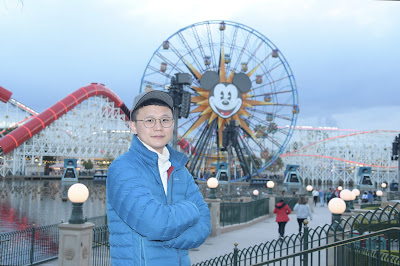
I went to the US in February to attend the Association of Academic Physiatrists (AAP) annual meeting. This was my first international PM&R conference, a rare trip abroad post-pandemic, and my very first time in the US. The whole 12-day trip was full of takeaways, from professional PM&R insights to cultural shocks.
Even though two months have passed, I still felt I should write something to document this trip. The differences I saw abroad made what I took for granted in Taiwan feel unusual, and they’ve been lingering in my mind since I got back. I hope to share my takeaways through these words with other residents and readers.
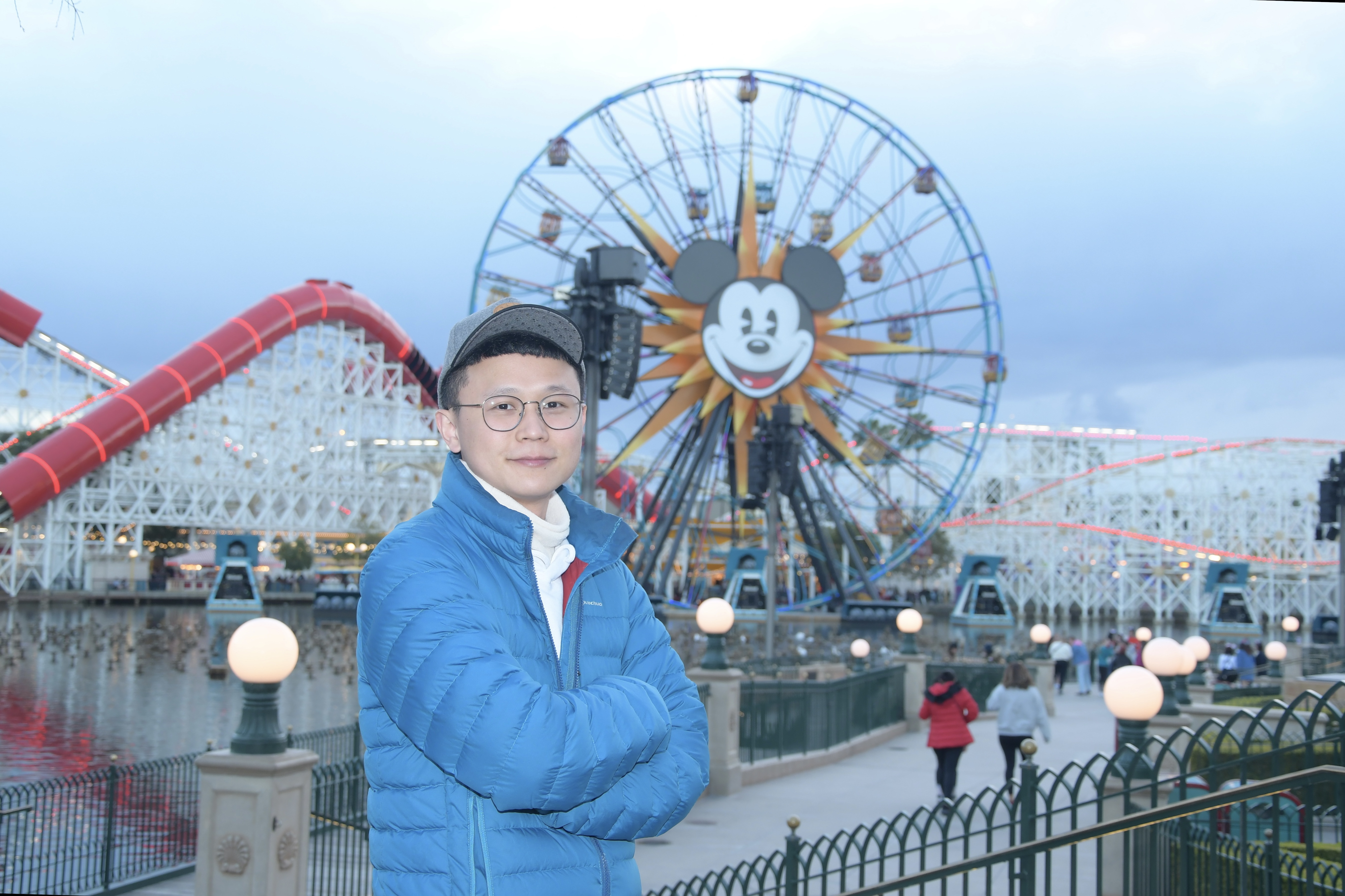
Sneaking in a Disney photo first—still gotta have some fun!
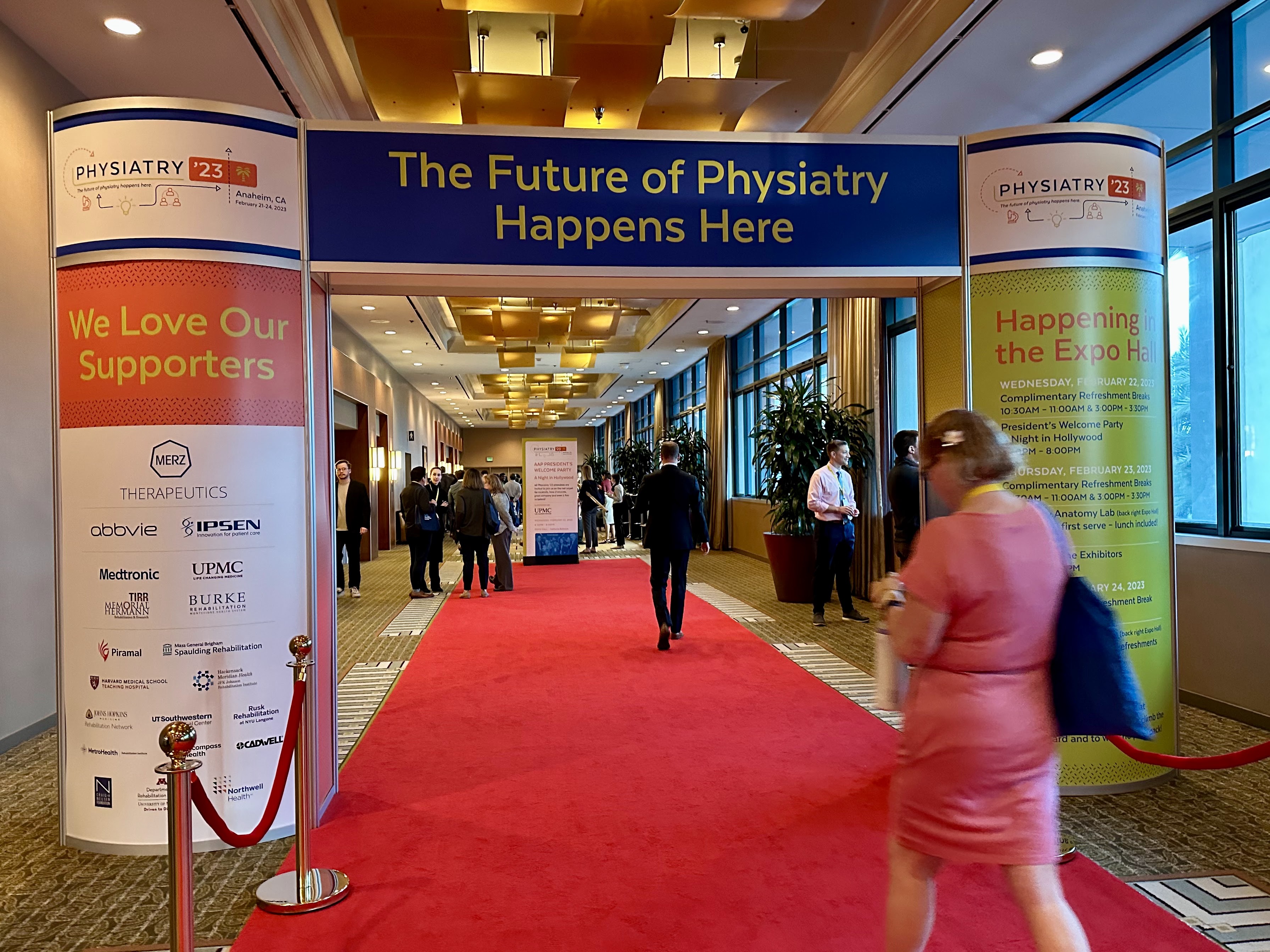
The AAP Physiatry ‘23 venue
Part I: An Active Social Atmosphere
In the US, it seems like anyone can chat with anyone. Whether waiting for a bus or taking an elevator, if you make eye contact, a conversation just naturally starts. Thinking back to Taiwan, these situations might feel awkward, for fear of disturbing someone by speaking up. But Americans seem naturally good at small talk, always able to converse effortlessly.
This social trait was on full display at the annual meeting. The conference dedicated a lot of time specifically to networking, including dinners, resident parties, and mentorship events. No icebreakers needed; everyone just naturally started getting to know the people around them.
Even when it wasn’t a designated networking time—take the poster presentations, for example. Around 5 PM every day, the venue would set up several snack tables and a pop-up bar area where you could grab food and all sorts of alcohol (the selection was complete!). Then, people would weave through the poster area, chatting with presenters and attendees. I honestly felt that maybe they cared less about the poster content itself, and more about the networking process!
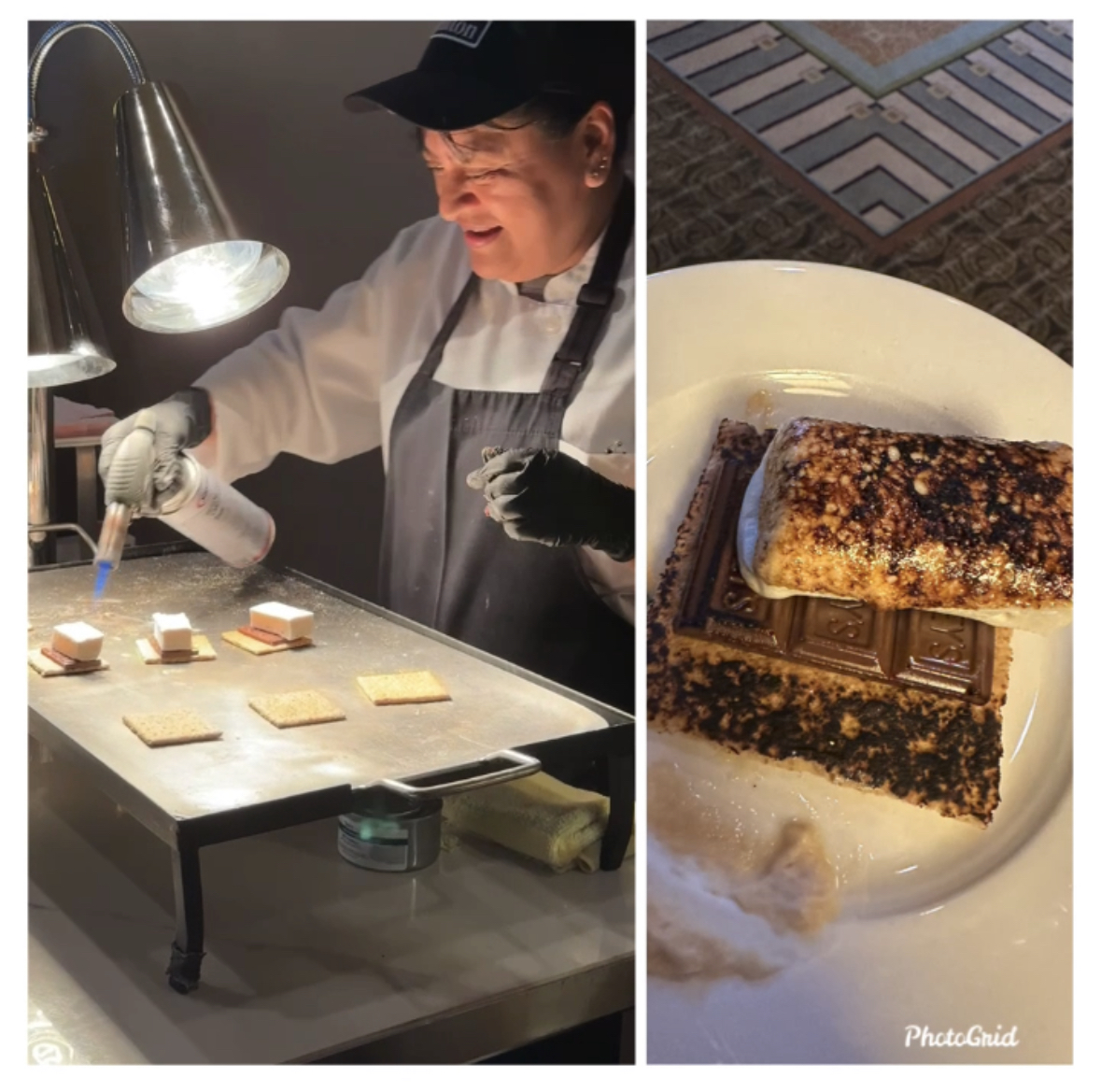
The poster venue had someone freshly baking s’mores cookies. Maximum calories!
Also, during the dinner banquet, which was a standard buffet, there were only a few seats. The rest of the space had high tables set up so people could walk around and chat. If you heard an interesting topic, you could just join the conversation. If you didn’t feel like talking, you could walk over to the performance area. They actually brought in a band and dancers to play pop music for everyone. Toward the end of the night, people even gathered in front of the band to dance. Watching those senior lecturers who taught during the day grooving to the music felt very warm and relaxed—like I’d accidentally crashed an American party?
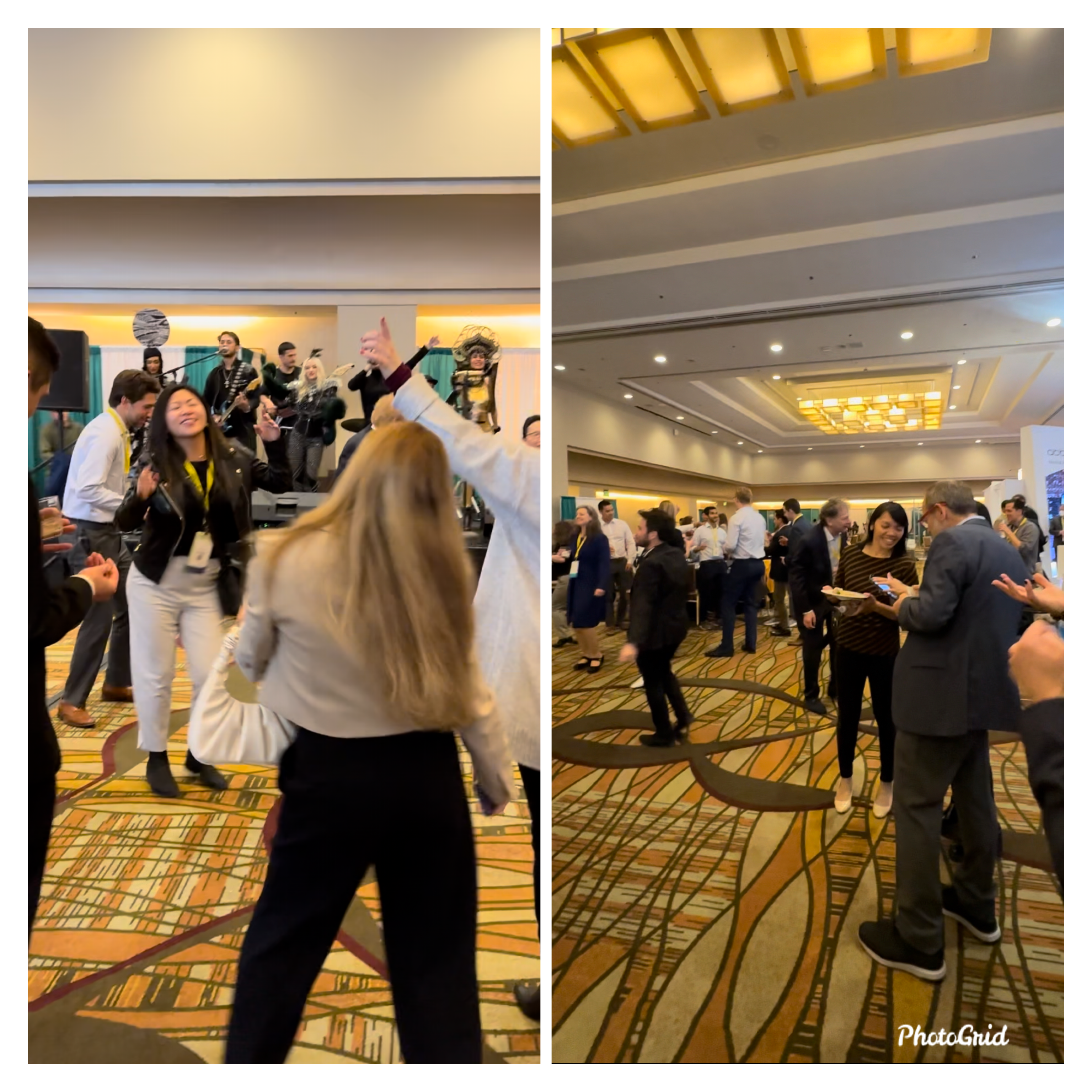
Everyone dancing before the AAP banquet wrapped up
After a fun chat, I often heard, “Wow, this is great, let’s definitely keep in touch. If there’s any opportunity, let’s collaborate!” Through this, I seemed to realize that all those cross-hospital projects and research studies were actually sparked in conversations at conferences like this. American medicine keeps pushing itself forward through this very process.
Attending this meeting and meeting people from hospitals all over the US felt like it opened up more possibilities for the future. It was exciting and inspiring!
Part II: A Society of Respect and Praise, and People Bursting with Confidence and Fulfillment
The most surprising discovery on this US trip was that three doctors told me they wake up every day inspired by their dreams. When talking about what they love, they would just go on and on, unable to stop, their eyes completely lighting up!
If it was just one person, I’d think it was a one-off, but three is quite special. Throughout the trip, I didn’t see a single physiatrist who disliked their job. How can so many people enjoy their work this much? PM&R isn’t even among the top-paying specialties for doctors in the US, so there must be a reason! I observed my surroundings, read some articles analyzing American culture, and maybe found some answers.
I remember the day before the conference started, there was a training workshop for residents. We learned things like ultrasound, nerve conduction studies, and spasticity management. Besides residents, medical students attended too. During the process, the instructors would always ask our names first, and they wouldn’t just ask and forget—they actually remembered our names, making you feel like a “somebody.” We had a lot of interaction with the instructors during the workshop, and whether our answers were right or wrong, we always got very positive encouragement. Praises like “Brilliant!”, “Awesome!”, and “Good job!” were literally flying everywhere. Even if you didn’t know much, you were encouraged to feel like you had a lot of potential!
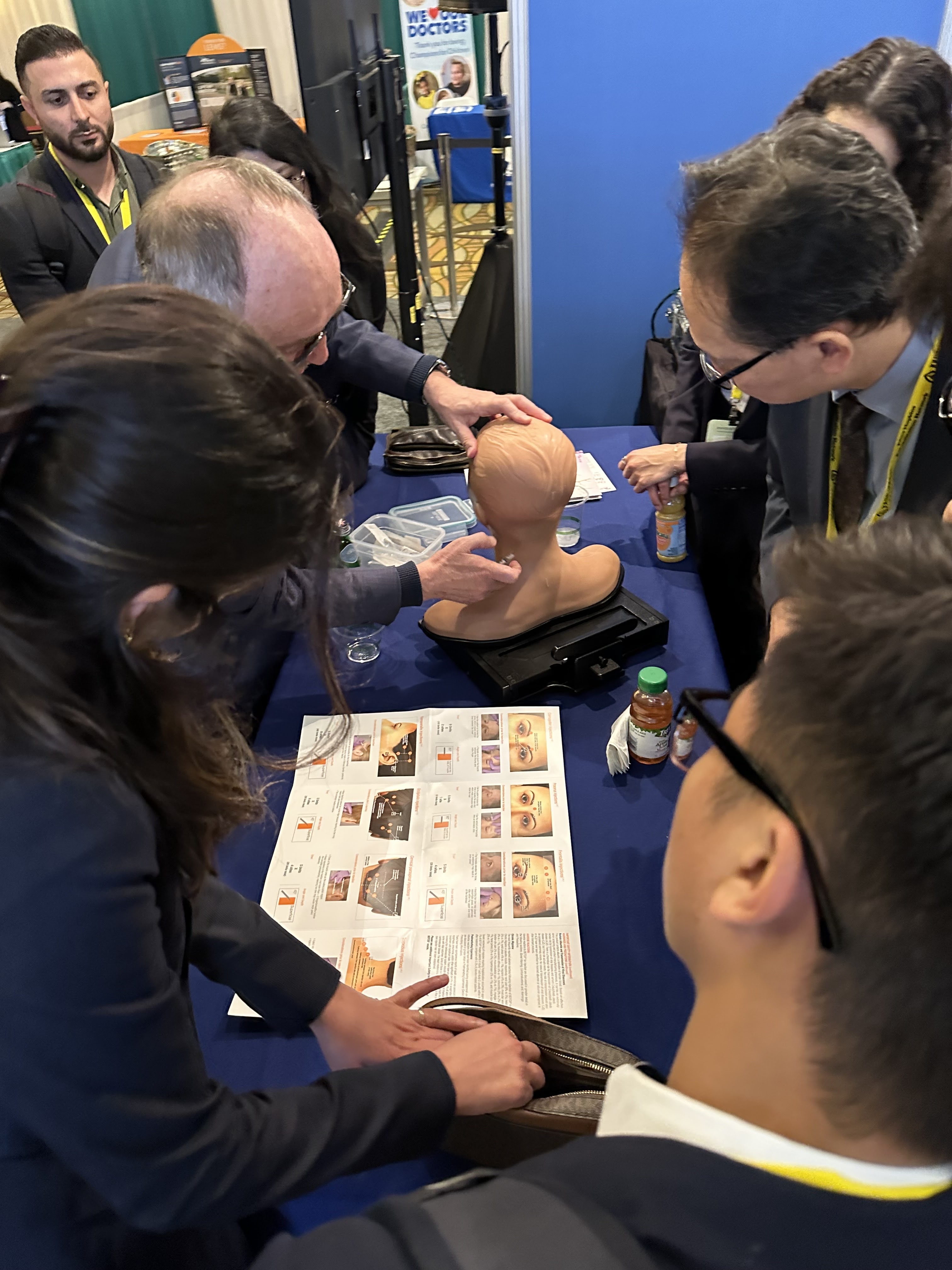
An entertaining lesson on Botox treatment for migraines
Also, people naturally praise themselves. If they do something right, they’ll tell themselves, “Great job!” From a Chinese cultural perspective, this might seem too immodest, but in an American society where individualism prevails, everyone respects themselves as much as they respect others. As long as it doesn’t infringe on anyone else, stating your own strengths is the most natural thing in the world.
I think in this highly communicative society, operating with respect and praise is a major factor in making everyone feel good and driven!
Key point
Of course, there might be selection bias in the people I met this time—only those in a particularly good headspace would come to an annual meeting.
Still, this observation showed me what changes I can make within myself if I want to be someone who wakes up inspired by dreams every day, and someone who can motivate the friends around me. :)
Part III: PM&R Annual Meeting, Expanding Horizons
This annual meeting was almost entirely Americans. I was the only Taiwanese person. Toward the last two days of the conference, I met the only Malaysian and the only Peruvian. I think the few of us were truly rare species at the meeting. At a conference like this, I saw a lot of developments in American PM&R. Coming from Hualien, it honestly felt like stepping into a whole new world of wonders! (But of course, as a first-year resident, I don’t have a completely comprehensive understanding of PM&R in Taiwan yet, so I can only share based on what I know.)
The American AAP clearly puts a lot of heart into it. The meeting has at least 5 sessions/events running concurrently and spans four whole days. From medical students, residents, and fellows to attending physicians, everyone should find it rewarding! Plus, it was held in California this year, right next to the world’s first Disneyland. Next year it’s in Orlando, right next to the world’s largest Disney World. Maybe physiatrists just really love Disney, haha!
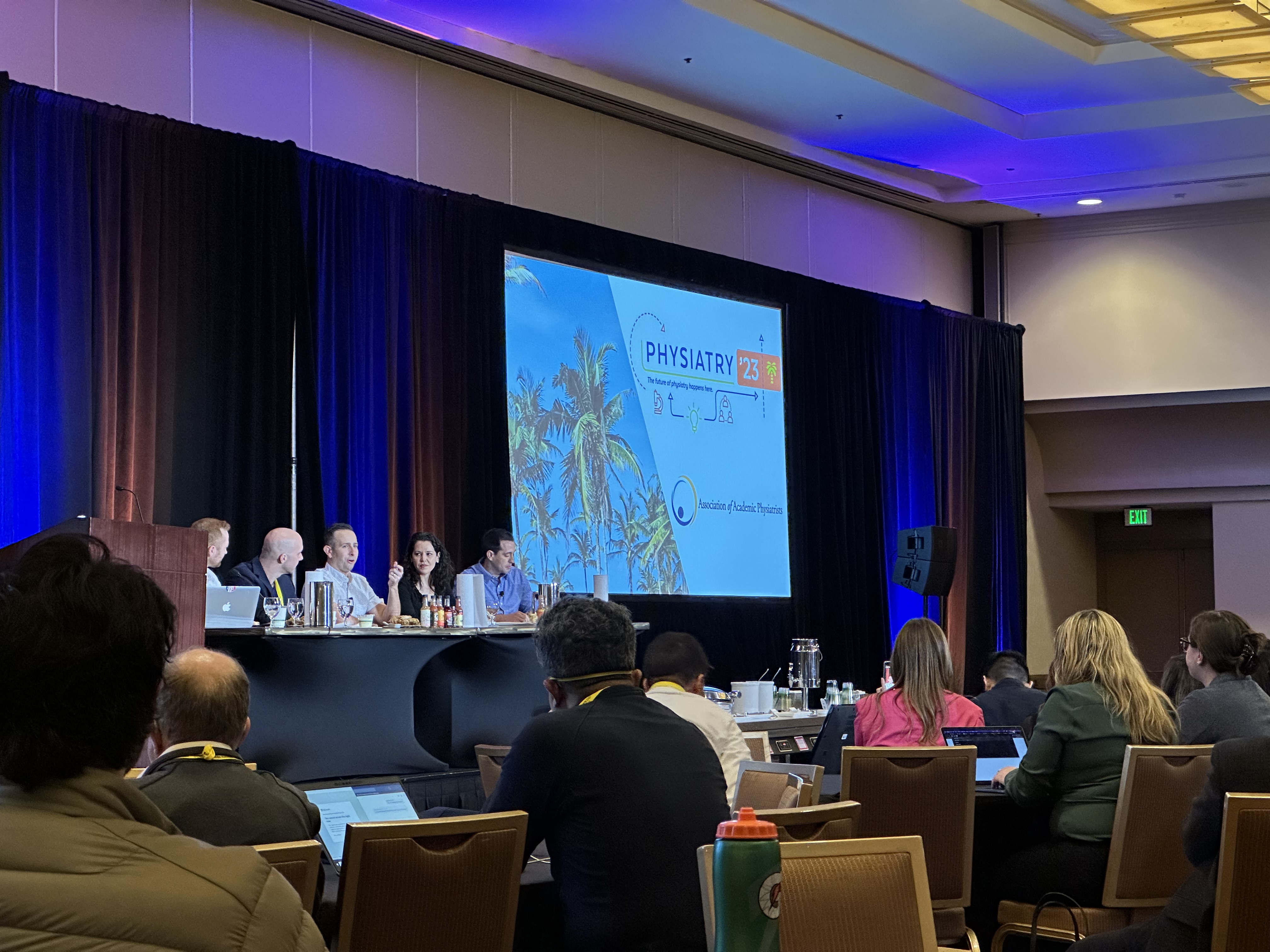
Several speakers on stage getting each other drunk while bluntly spilling secrets from their resident days
There are currently 463 PM&R resident spots per year in the US, and the number is still growing. Proportionally, 463 residents for a population of 330 million is slightly lower than Taiwan’s 40 residents for 23 million people. But with such a large base number and an atmosphere that encourages open development, the physiatrists here have incredible diversity!
At the meeting, there was a physiatrist who specializes in pelvic rehabilitation. She handles conditions like incontinence and sexual dysfunction, and in her lecture, she thoroughly explained how to examine and analyze the pelvic floor with incredible depth. Some doctors love music and dance, so they started researching enriched environment rehabilitation. They studied whether incorporating music and rhythm into routine rehab, or adding dance, could enhance rehab outcomes—and the results actually showed it works. Other teams use AI to analyze gait and movement to develop telehealth, meaning in the future, we could rapidly gather more information just from the way a patient walks into the clinic.
I also saw that the US has many fellowships, like sports medicine, spinal intervention, cardiopulmonary, etc. Taiwan has corresponding specialties for these, but to my knowledge, we might not have developed complete fellowship training yet. Unfortunately, after asking the directors, we can’t join the fellowships without a US medical license. Most institutions, however, warmly welcome us to do an observership.
Among these subspecialties, a rather unique one is lifestyle medicine. I guess this is a subspecialty particularly needed in the US. They incorporate psychologists and other professionals to help patients improve lifestyle habits—losing weight, quitting smoking, sleeping, exercising, and so on—stopping diseases before they even start. This perfectly aligns with what international PM&R master Prof. Cifu promoted about a Balance life and encouraging good habits in patients during the Taiwan PM&R annual meeting right after.
I really love the concept of lifestyle medicine. These were actually the goals I always wanted to achieve during health education sessions with my college service club. I learned a lot of behavior change models back then in hopes of really making a difference. But after becoming a resident, I’ve been busy learning new things, and pushing for lifestyle changes hasn’t exactly been the focus of a busy clinical workload. Between all these factors, it felt like I had fewer and fewer chances to do patient education. Seeing that you can still take this very seriously within a hospital system felt novel and moving, showing me what’s possible for the future. I think someday, I’ll still have the chance to use these health education skills and knowledge to help my patients. :)
Lastly, I want to share that the barrier to attending the annual meeting isn’t as high as you might think. The most interesting poster I saw this time analyzed the fate of posters previously presented at AAP. Guess how high the final publication rate is? The actual poster publication rate is remarkably low, only 18%. For resident posters specifically, it’s a mere 8.3% that get truly published! Submitting a poster is more like an admission ticket for residents, letting us come and join this annual grand event. I think this tells us that submitting a poster to the annual meeting really doesn’t require an incredibly impressive or complete study. I saw someone write about a “Resident wellness program” where she got residents together to play board games every month for a year and analyzed everyone’s satisfaction. Even with half the data missing, it was successfully accepted for presentation. After returning to Taiwan, when having dinner with Prof. Cifu, the editor-in-chief of PM&R’s most important textbook (a huge honor), he mentioned that even just proposing a research concept, without actually finishing the study, can be accepted!
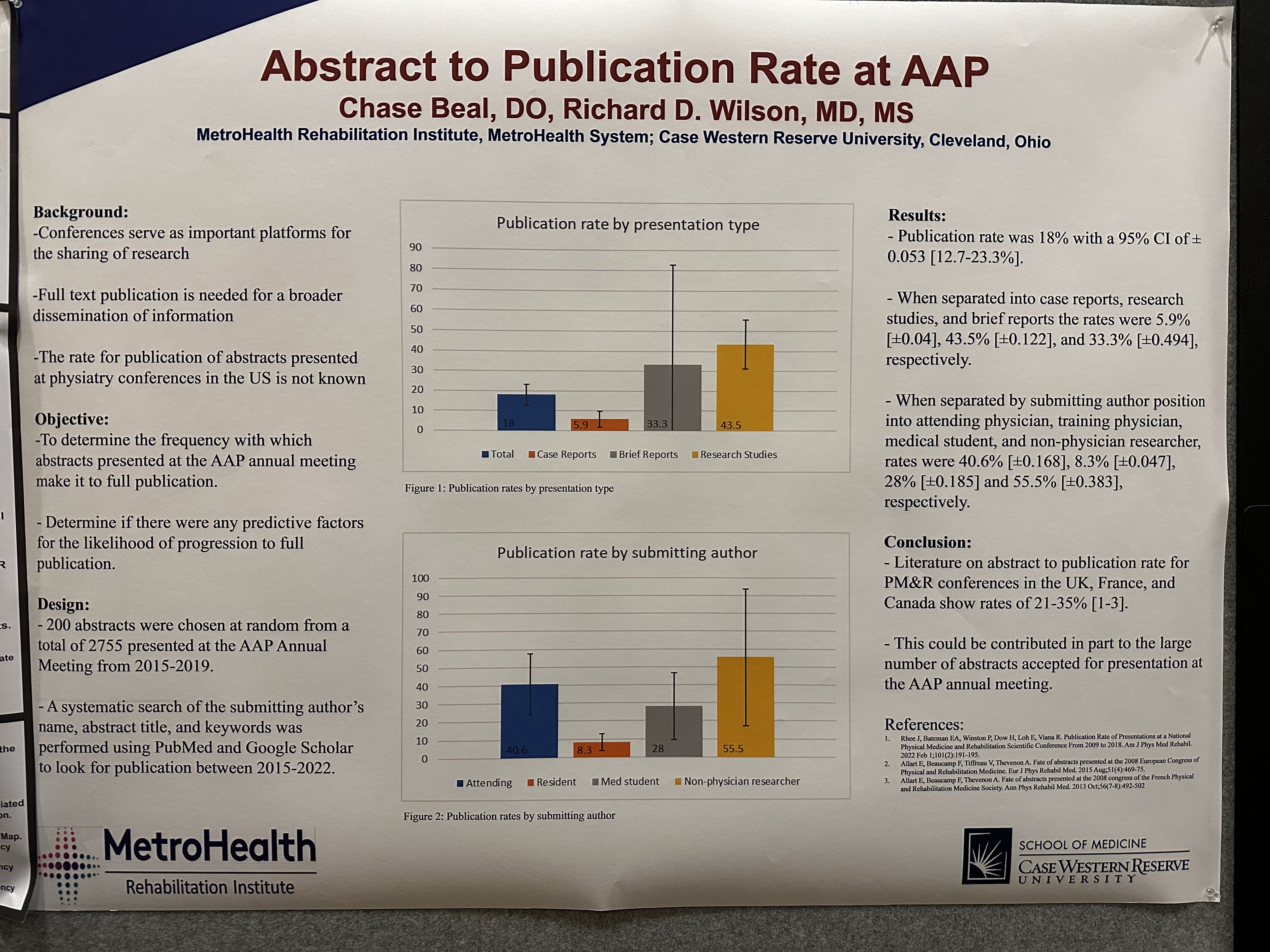
A poster analyzing the publication success rate of posters (Even this works as a poster!)
I want to recommend AAP to my fellow PM&R residents here—it’s highly worth attending. Don’t worry about the state of your poster. Everyone is here to network and learn, so just take the plunge and come!
Feel free to contact me if you want to know more about anything!!
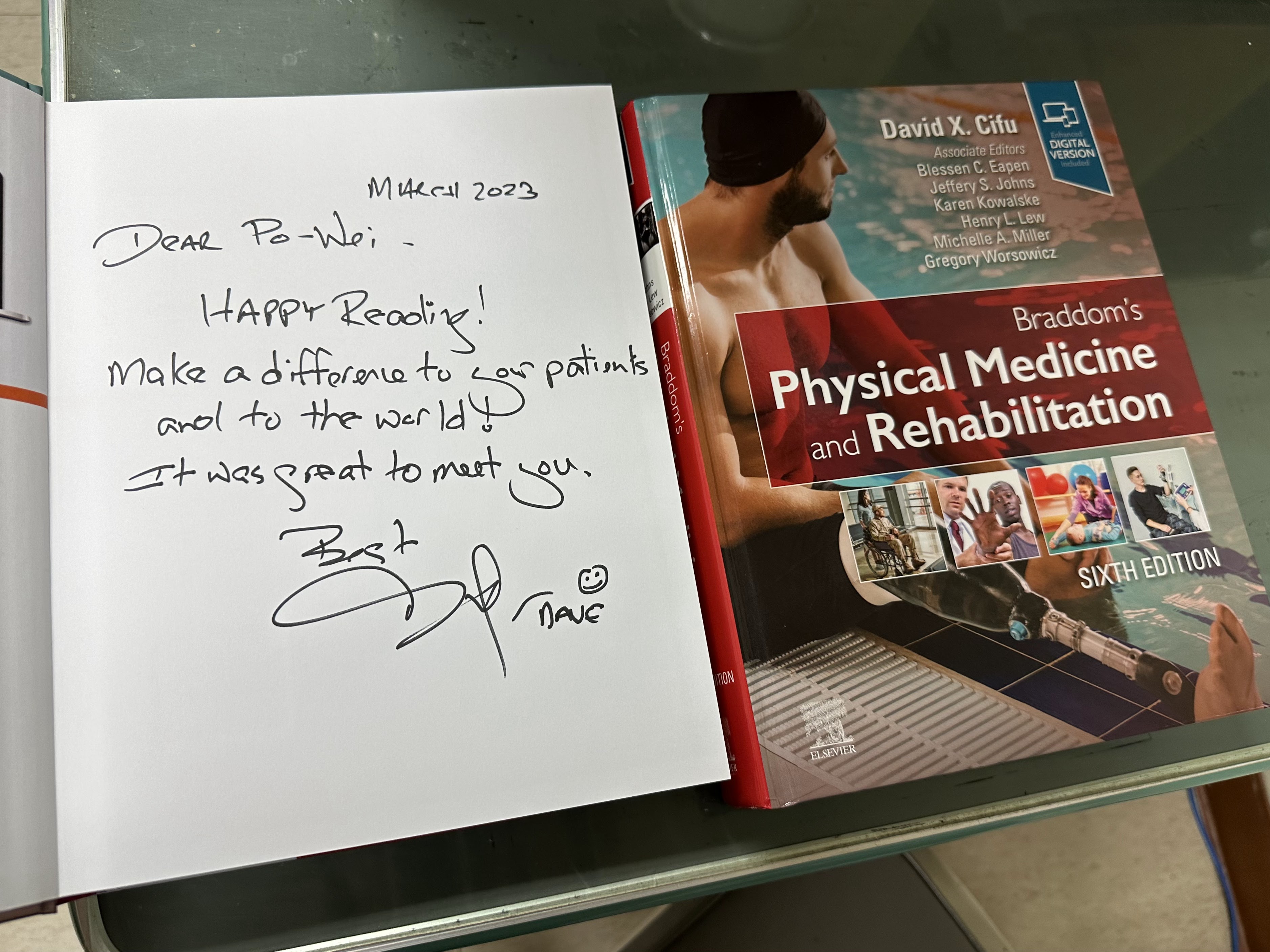
Finally, showing off Prof. David X. Cifu’s autograph. I really need to hit the books now!